

Rethinking the Morning Knockbox Ritual
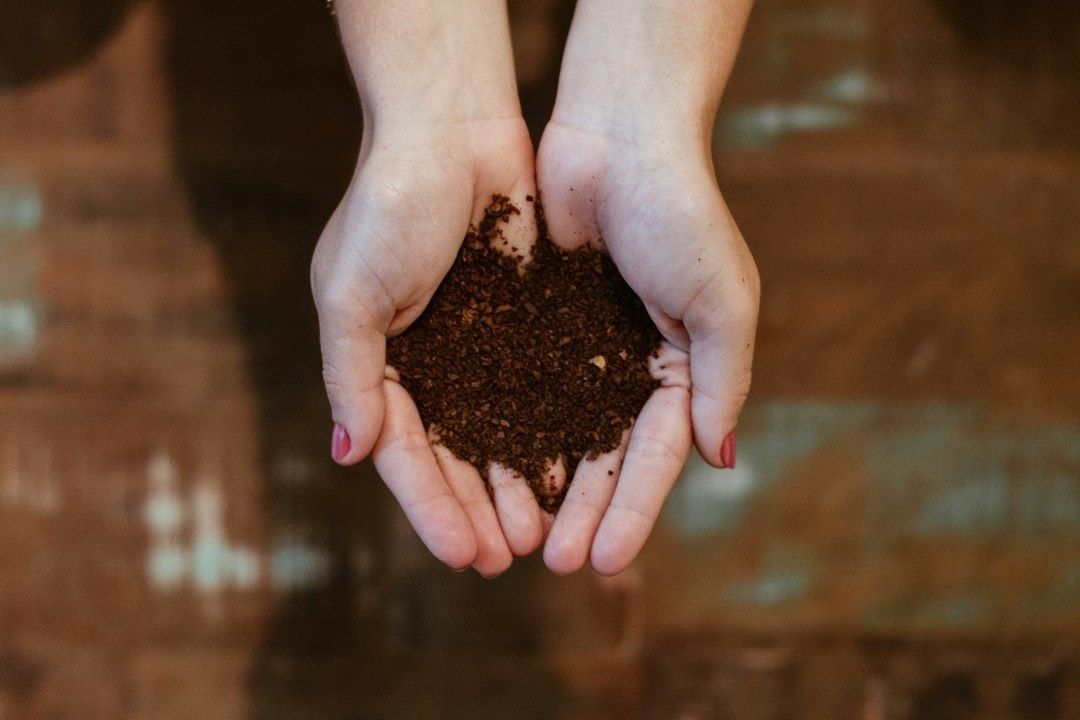
Before the first guests settle in, a café is already alive with small, precise movements. Water reaches temperature, grinders release the warm perfume of freshly ground beans, and the barista”s knockbox receives one espresso puck after another. Each puck seems insignificant, yet by the end of a busy service, the accumulated grounds form a surprisingly heavy, damp stream of organic material.
That familiar residue deserves a more thoughtful role than a quick journey to the landfill. Brewed coffee grounds retain useful organic matter and nitrogen, making them a practical resource for mushroom cultivation, composting, soil improvement, and even small-batch textile dyeing. For boutique operators, the opportunity is not to create a complicated sustainability display behind the bar. It is to build a quiet, orderly system that protects speed, cleanliness, and the polished atmosphere guests expect. Artisan bakeries and market cafés understand that high cleanliness standards begin with thoughtful back-of-house storage protocols, and the same principle applies to every spent coffee puck.
Clean Countertops and Daily Storage Logistics
The first priority is moisture control. Fresh espresso grounds are warm, compacted, and wet enough to develop sour aromas or visible mold if they remain sealed in a deep container for too long. A café should collect them in a food-safe, washable bin with a broad opening, then transfer the material to a ventilated holding container or approved partner collection system at regular intervals. The aim is not to dry every particle immediately, but to prevent a dense, airless mass from sitting unnoticed through several shifts.
Choose containers that can be identified at a glance. A lidded, food-safe bucket may be suitable for short-term transport, while a perforated insert or breathable liner can improve aeration during temporary storage. Labels should state “spent coffee grounds,” the collection date, and the intended destination, such as mushrooms, compost, or textile work. Grounds should never be mixed with milk, syrup, cleaning chemicals, plastic packaging, or general food waste, since contamination can make an otherwise useful stream unsuitable for its next use.
A simple handover routine keeps the system dependable during the rush. The closing barista should record the approximate volume, inspect the bin, and move the grounds to the designated storage area. The opening team can then confirm that the previous batch has been removed and that the collection container is clean and ready. This creates accountability without burdening service with elaborate administration.
- Knock grounds into the clearly marked collection bin rather than a general waste container.
- Remove visible contaminants, including stirrers, paper, plastic, and food scraps.
- Transfer the grounds to a breathable or shallow holding container before prolonged storage.
- Record the date, approximate quantity, and planned destination.
- Wash and dry the collection bin before returning it to the espresso station.
Cultivating Gourmet Mushrooms from Espresso Substrates
Oyster mushrooms are among the most approachable candidates for a coffee-ground growing project. Once brewed, the grounds retain a fine texture and useful organic compounds that can support fungal growth. Their compact structure also holds moisture, which is important for oyster mushroom mycelium. However, spent grounds are not automatically a complete growing medium. Successful cultivation depends on cleanliness, moisture balance, air exchange, and a suitable inoculation process.
For a small café, the most elegant starting point is a controlled micro-fruiting kit in a separate, clean area rather than an improvised growing station beside food preparation. Grounds should be cooled, handled hygienically, and pasteurized or otherwise prepared according to the chosen cultivation method. A regional urban grower may be a better partner when the café produces more grounds than its own kit can manage. That arrangement keeps the back of house uncluttered while returning a visible, seasonal ingredient to the café.
- Use oyster mushroom varieties suited to indoor cultivation and local temperature conditions.
- Keep coffee substrate batches small enough to monitor for odor, discoloration, or contamination.
- Separate growing equipment from espresso, pastry, and ready-to-eat food preparation areas.
- Agree on collection frequency and contamination standards with an urban mushroom partner.
- Serve only mushrooms produced under a documented, food-safe process.
The culinary result can be especially appealing in a brunch setting. Fresh oyster mushrooms offer delicate texture and a savory, gently nutty character that works well with toasted sourdough, soft eggs, seasonal greens, or a warm grain bowl. Even when cultivation remains off-site, explaining that the mushrooms began as the café”s spent espresso grounds gives a seasonal plate a meaningful local story without turning sustainability into a performance.
Enriching Community Gardens with Balanced Soil Building
One persistent misunderstanding is that brewed coffee grounds are strongly acidic. Brewing removes much of the acidity associated with roasted coffee, so used grounds are often closer to neutral than many guests assume. That does not mean they should be spread thickly over every garden bed. Grounds are fine particles, and a heavy layer can compact, restrict water movement, or interfere with germination. Their value is greatest when they are blended into a diverse compost or soil-building mix.
Coffee grounds are relatively nitrogen-rich, often treated as a “green” compost material. They need carbon-rich partners such as dry leaves, shredded cardboard, straw, wood chips, or mature mulch. Practical guidance commonly recommends keeping grounds to a moderate share of the total compost volume rather than allowing them to dominate the pile. Because conditions vary by feedstock and climate, cafés should treat any ratio as a starting point, observe the pile, and adjust for moisture, odor, and texture. For a dependable overview of compost ingredients and soil-building practice, consult the Authoritative Source and the USDA composting guidance.
| Material | Role in the system | Operational guidance |
|---|---|---|
| Spent coffee grounds | Nitrogen-rich “green” material | Blend in moderate amounts and avoid thick surface layers |
| Dry leaves or shredded cardboard | Carbon-rich “brown” material | Mix thoroughly to improve structure and airflow |
| Wood chips or coarse mulch | Bulk and aeration | Use as a structural partner rather than relying on grounds alone |
| Mature compost | Biological stability | Add to help create a balanced, active compost environment |
Community pickup can make the program both practical and neighborly. A café might offer one labeled collection point for a local garden group, with scheduled pickup days rather than an open-ended pile that gradually becomes untidy. Partners should receive the grounds free from paper, plastic, dairy residue, and cleaning products. A short information card can explain that the material is intended for composting or blending, not for direct application in thick layers around seedlings.
Neighborhood soil regeneration projects can also provide useful feedback. Garden coordinators may track how much material is collected, which compost mixes perform well, and whether gardeners notice problems such as crusting or poor germination. This measured approach respects the limits of available research while allowing the café to contribute consistently. The most successful partnership is usually modest, clean, and predictable rather than ambitious enough to overwhelm volunteers.
Artisanal Dyeing for Hospitality Linens and Merchandise
Spent coffee grounds can also move from the soil cycle into the textile studio. Their warm brown tones are well suited to wool, cotton, canvas, and other natural fibers, although the depth and permanence of the color depend on the fabric, preparation, dye bath, and mordant. A small café could use the process for barista aprons, napkins, display cloths, or limited-run tote bags, creating pieces whose soft earthy shades reflect the café”s roasted, welcoming character.
A documented wool-dyeing project from CraftHub describes drying used grounds, preparing the wool, mordanting it with alum, and creating a strained coffee dye bath. The wool was simmered carefully and soaked overnight, with temperature control used to reduce the risk of felting. The method demonstrates why natural dyeing requires patience and testing rather than a single universal recipe. Small swatches should be dyed first, washed, dried, and evaluated for color change and crocking before a larger textile is attempted. Academic research has increasingly confirmed this potential; a separate Iowa State University report, Request Rejected, complements the reported textile dye research demonstrating how spent grounds can serve as an effective, sustainable colorant for natural fabrics when paired with suitable mordanting and temperature controls.
- Favor natural fibers and test each fabric before producing a full batch.
- Use a consistent grounds-to-water ratio so successive color lots remain comparable.
- Research mordant safety, follow handling instructions, and keep dye equipment separate from food equipment.
- Wash and label finished goods clearly, including care instructions and expected natural variation.
- Present irregularities as part of the handmade character rather than promising identical pieces.
The retail potential is subtle but distinctive. A tote bag dyed with the same coffee grounds produced during service can become a tangible expression of the café”s closed-loop values. A small collection of naturally colored napkins or aprons may appeal to guests who value craft, local production, and practical sustainability. The strongest merchandise does not merely carry a green claim. It carries a clear material story, a pleasing texture, and the evidence of careful workmanship.
Cultivate a Regenerative Footprint in Your Neighborhood
A café does not need to launch mushrooms, compost, community gardening, and textile dyeing at once. Begin with one manageable stream. For many operators, that means clean collection and a weekly transfer of grounds to a trusted garden or compost partner. Once staff can separate the material without slowing espresso service, the café can evaluate whether a micro-growing kit, a neighborhood pickup station, or a small dyeing collaboration is the natural next step.
Communication should be warm, specific, and proportionate. A small counter card can explain that the grounds are being collected for a local garden, while a menu note can identify mushrooms grown from the café”s former coffee substrate. Staff should be able to describe the process accurately, including its limits, without making exaggerated claims. When resource mindfulness becomes part of the daily rhythm, it strengthens rather than distracts from hospitality. Guests still receive a clean counter, a well-balanced drink, and attentive service, but they can also see that the café”s care extends beyond the cup and into the neighborhood around it.