


Rediscovering Time Over a Warm Cup
Modern workdays often begin at speed and remain there. Messages arrive before breakfast, calendars divide attention into narrow blocks, and the pressure to multitask can make even a quiet moment feel unproductive. Yet constant motion is not the same as meaningful progress. Without pauses, concentration thins, conversations become transactional, and the mind has little room to process what it has taken in.
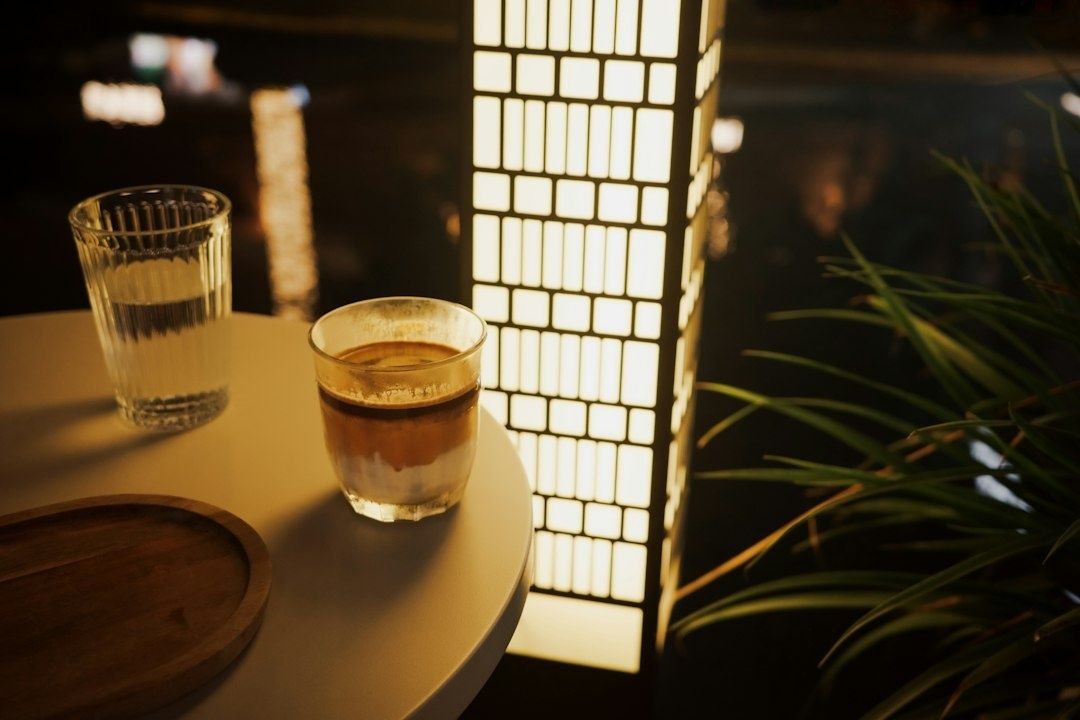
Swedish fika offers a more generous idea of the coffee break. It is not simply a caffeine delivery system or a pastry eaten beside a keyboard. It is an intentional, shared pause, arranged around presence, conversation, and ease. Picture the atmosphere of a serene Lake Geneva café as morning mist lifts from the water: a warm ceramic cup between both hands, the aroma of fresh coffee, a soft pastry on the plate, and enough time to notice the person across the table. That sense of spaciousness is the real heart of fika.
Beyond the Cinnamon Bun and Coffee Cup
Fika is deeply rooted in Swedish social life, although coffee rituals are important throughout the Nordic region. Sweden, Finland, and Norway have long ranked among the world”s heaviest coffee-consuming countries. Research on Nordic coffee culture describes coffee as a customary element of hospitality and workplace interaction, often served with cookies, sweet buns, or other pastries. In Sweden, the familiar pairing is drip coffee and a cinnamon bun, a combination so beloved that Cinnamon Roll Day is celebrated each October 4.
The food matters, but it is not the complete ritual. A coffee grabbed on the way to a meeting is defined by movement, divided attention, and an early ending. Fika is defined by the decision to stay. The cup provides a sensory anchor, while the shared table creates a social setting in which conversation does not have to compete with notifications, traffic, or the next task. Even a ten-minute pause can feel remarkably different when it is treated as an occasion rather than an interruption.
For hosts and workplace leaders, the most important detail is often the simplest one: put the devices away. A phone placed face down still invites attention, so a dedicated fika space should make eye contact easier than checking a screen. The goal is not forced intimacy or an artificial ban on all practical conversation. It is the creation of a small, welcoming interval in which people can listen properly, speak without rushing, and enjoy the gentle rhythm of an unhurried table.
- Serve coffee and something small to eat, but let conversation remain the main event.
- Choose a fixed or recognizable time so the pause becomes part of the day”s rhythm.
- Keep phones and laptops outside the immediate circle whenever circumstances allow.
- Make room for people who prefer tea, decaffeinated coffee, or a different pastry.
The Science Behind Structured Cognitive Rest
A deliberate pause is not an indulgence that must be earned after exhaustion. It is a form of cognitive maintenance. Sustained attention consumes mental resources, and switching repeatedly between messages, documents, meetings, and notifications creates its own burden. A short interruption can give the mind an opportunity to recover, especially when the break involves a change of posture, environment, social connection, or sensory focus.
The strongest evidence does not suggest that every break produces a dramatic productivity surge. A systematic review and meta-analysis examined 19 records, 22 independent samples, and 2,335 participants, finding that micro-breaks produced meaningful improvements in vigor and reductions in fatigue. Overall performance effects were positive but not statistically significant, and the benefits were clearer for tasks with lower cognitive demands. The researchers also noted that highly depleting work may require more than ten minutes of recovery. These findings are carefully summarized in this systematic review of micro-breaks.
That distinction is useful in practice. Fika should not be sold as a guaranteed shortcut to higher output. Its value lies in restoring the conditions for better work and better relationships. A structured pause can be scheduled near a predictable energy dip, repeated every 90 to 120 minutes when appropriate, and adapted to the demands of the day. The most useful measures are not only speed or volume, but also perceived fatigue, concentration, stress, collaboration, engagement, and the quality of decisions made afterward.
- Vigor: Do people return with more usable energy?
- Fatigue: Does the pause reduce the sense of mental depletion?
- Focus: Is it easier to remain with one task after the break?
- Connection: Do colleagues communicate more easily across roles or departments?
- Well-being: Do people experience the workplace or household as more sustainable?
Unstructured phone scrolling is different from deliberate rest. Scrolling may appear to be a break, but it often continues the same pattern of rapid stimulation and divided attention. Fika offers a clearer reset because its boundaries are visible: the coffee is prepared, the table is shared, and the pause has a beginning and an end. Even when the conversation is light, the nervous system receives a different kind of input than it receives from an endless stream of alerts.
How Shared Rituals Flatten Hierarchy and Foster Trust
In a traditional hierarchical break room, status can remain visible even during downtime. Senior employees occupy the most comfortable positions, newer colleagues hesitate to enter, and conversation may stay within established groups. The room is technically shared, but access to its social energy is uneven. A well-designed fika changes the arrangement by making participation ordinary, brief, and mutual. An intern, an executive, a receptionist, and a project lead can all take the same coffee, sit at the same table, and contribute to a conversation without needing a formal invitation.
This does not erase real differences in authority or responsibility. Instead, it creates a recurring setting in which people encounter one another as participants in a common social world. Everyday rituals are powerful precisely because they are repeated and modest. Ethnographic approaches to communal life examine how ordinary gatherings establish belonging, obligation, identity, and trust. Institutional research resources, including the Instytut Antropologii i Etnologii UAM staff research context, point toward the breadth of questions social anthropology brings to shared practices and community life.
For modern offices, this matters especially as teams balance remote work, automation, and fewer in-person encounters. Workplace experience research increasingly treats informal socializing as part of knowledge work rather than as a distraction from it. A fika space can therefore be designed as a hospitality setting: comfortable enough to invite staying, open enough to welcome different groups, and purposeful enough to make attendance feel worthwhile rather than compulsory.
| Traditional hierarchical break room | Collaborative fika space |
|---|---|
| People remain with their usual teams or status groups. | Seating and timing encourage a wider mix of participants. |
| Conversation is often interrupted by phones and hurried schedules. | Devices are set aside, creating room for attentive listening. |
| The break is treated as private recovery from work. | The pause supports both individual renewal and community building. |
| Food and coffee may be inconsistent or purely functional. | Thoughtfully prepared coffee, pastries, and comfortable ceramics signal care. |
| Attendance may feel optional but socially exclusive. | The ritual is easy to understand, accessible, and welcoming to newcomers. |
Bringing the Lake Geneva Café Feeling into Daily Living
Creating fika at home or work does not require an elaborate menu or a dedicated renovation. The atmosphere comes from attention to small details. Select a local roast with a clean, balanced flavor, prepare it fresh, and offer a seasonal pastry or simple accompaniment. A cinnamon bun is traditional, but fruit, cardamom bread, chocolate balls, or a savory bite can suit the occasion. Warm ceramic mugs, a proper plate, and a clear place to sit communicate that the pause deserves care.
A Lake Geneva café feeling is less about imitation than about hospitality. The table should feel calm, comfortable, and easy to enter. At home, it might be a kitchen corner cleared of paperwork. At work, it could be a small collaboration zone away from meeting-room formality. The host”s role is to remove friction, explain the rhythm, and allow the conversation to develop naturally rather than turning the pause into another performance requirement.
- Choose a dependable moment. Set aside ten minutes in the afternoon or place the ritual between demanding work blocks.
- Prepare one appealing pairing. Use freshly brewed coffee, a local roast, seasonal fruit, or a pastry with a pleasing texture and moderate portion.
- Make the setting tactile. Bring out ceramic mugs, real napkins, and a clean table rather than serving everything beside a screen.
- Offer a gentle welcome. Invite people to sit, pour the coffee, and leave the first few minutes free from formal agendas.
- Set kind conversational boundaries. Encourage curiosity, confidentiality, and equal participation, while allowing anyone to pass on a topic.
- Close without rushing. Give a short notice before the end so people can return to work or home life with a sense of completion.
Create Your First Sacred Pause Today
Fika demonstrates that slowing down can create both emotional room and mental clarity. The pause restores attention not by demanding more discipline, but by changing the quality of the moment. Coffee becomes a warm sensory marker, food becomes an act of welcome, and conversation becomes a way to rebuild the human connection that busy routines often erode.
Set aside ten minutes this afternoon. Brew something good, place it in a warm mug, offer a small seasonal bite, and invite one other person to sit without a phone between you. Let the conversation be practical, light, or unexpectedly honest. For that brief interval, there is no need to optimize the table. A lakefront seat is waiting in spirit, the mist is clearing, and the day has made room for you to arrive.