
The Quiet Alchemist Inside Your Morning Cup
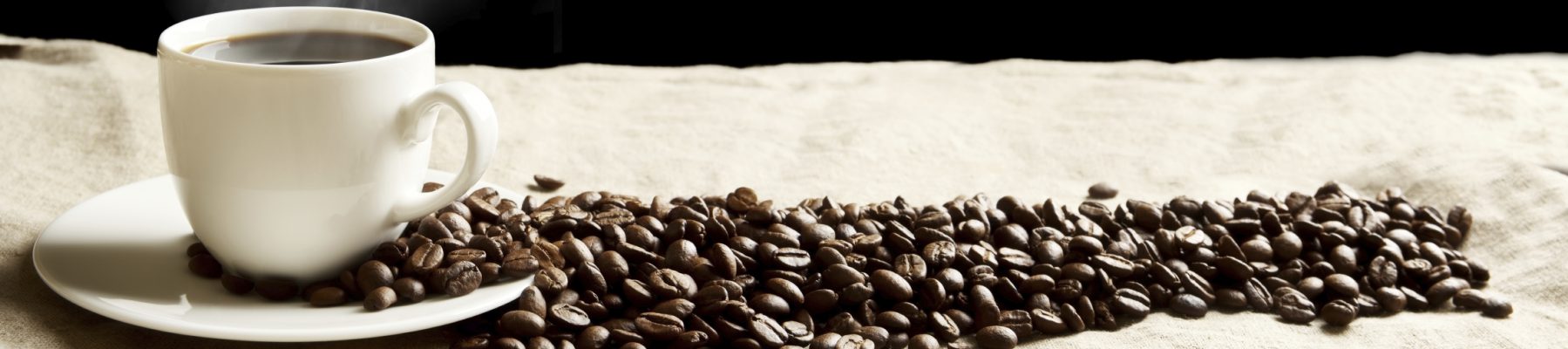
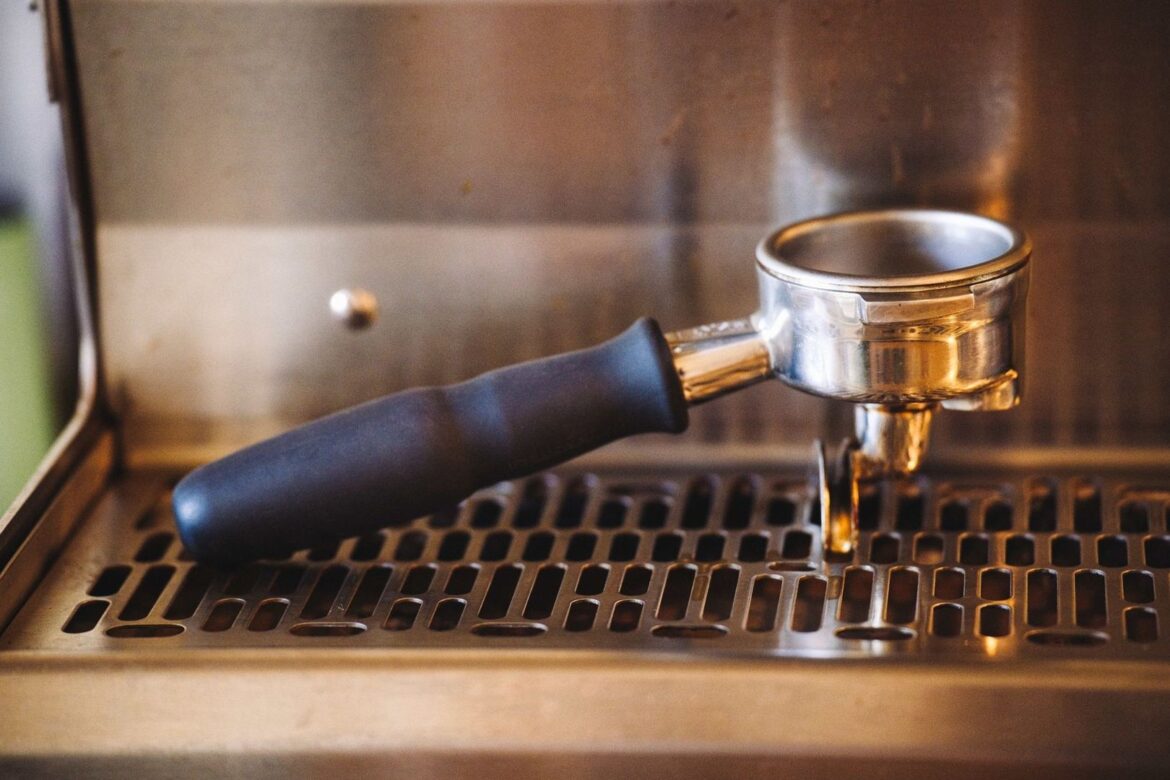
Picture a calm morning beside Lake Geneva, with pale light on the water and the gentle rhythm of a café beginning its day. A portafilter locks into place, the grinder releases the fragrance of a freshly opened single-origin coffee, and the first espresso flows in a warm, amber ribbon. The scene feels simple, almost effortless. Yet behind that smooth crema is a small piece of chemistry that can determine whether the cup tastes lively and sweet or dull and severe: the water.
The same coffee can taste remarkably different in two cities, even when the beans, grinder, recipe, and espresso machine appear identical. One water supply may reveal raspberry, citrus, or stone fruit, while another makes the same coffee taste flat, chalky, or sharply bitter. Water is not a passive background ingredient. It is the carrier that draws flavor and aroma from roasted coffee, and its dissolved minerals help decide which parts of the bean reach the cup. For a deeper look at practical coffee water chemistry, this coffee water guide offers a useful foundation.

Demystifying Dissolved Solids and Extraction Dynamics
Total Dissolved Solids, usually shortened to TDS, describes the amount of material dissolved in water. In brewing water, that material consists largely of minerals, although the measurement can also include other dissolved substances. A TDS meter can tell you how much is present, but not precisely what those substances are. Two waters may both read 150 parts per million while behaving very differently in an espresso machine because one contains more magnesium and the other more calcium or bicarbonate.
Distilled or demineralized water illustrates why composition matters. With almost no dissolved minerals, it can extract coffee unevenly and leave the espresso tasting thin, hollow, or strangely muted. The issue is not that pure water cannot dissolve anything. Rather, minerals such as magnesium and calcium participate in the extraction of flavor compounds from the coffee bed. The Specialty Coffee Association commonly places desirable brewing-water TDS between 75 and 250 milligrams per liter, with approximately 150 milligrams per liter often used as a central reference point. Those figures are a starting framework, not a universal recipe.
It is also important to distinguish beverage strength from extraction yield. TDS measures how concentrated the finished espresso is, while extraction yield describes how much of the coffee”s soluble material has moved into the water. A dense espresso can have a familiar TDS reading and still taste unbalanced if extraction is uneven. Grind size, dose, temperature, pressure, flow, and particle distribution all matter, but water chemistry influences how readily different compounds are removed from the grounds.
- Moderate mineral content gives water enough extracting power without creating an excessively heavy or harsh cup.
- Low chlorine and a clean appearance help preserve coffee aroma and prevent unwanted medicinal or swimming-pool notes.
- Near-neutral pH is useful as a general baseline, although alkalinity has a greater sensory effect than pH alone.
- Controlled hardness and alkalinity support flavor while reducing the risk of scale and equipment damage.
These parameters work as a system. Increasing TDS does not automatically improve extraction, and lowering it does not guarantee clarity. The particular minerals, their proportions, and the coffee”s roast level must be considered together. A lightly roasted Ethiopian coffee may welcome a water profile that emphasizes aromatic brightness, while a chocolate-forward Brazilian espresso may benefit from a little more calcium and buffering.
The Taste Comparison of Calcium Versus Magnesium
Calcium and magnesium are both important contributors to water hardness, but they do not behave identically in the cup. Calcium is often associated with weight, roundness, and a more substantial mouthfeel. It can support the extraction of larger, heavier flavor compounds, helping espresso feel silky and creamy rather than delicate or fleeting. In a milk drink, that extra structure can also help the coffee remain present beside textured milk.
Magnesium is commonly valued for its ability to emphasize aromatic and fruit-driven characteristics. It interacts effectively with many flavor compounds that contribute to floral, berry, citrus, and stone-fruit impressions. A magnesium-forward profile can make a washed coffee seem more transparent and expressive, although too much extraction or an unsuitable balance may turn brightness into sourness or astringency. The best result is not a competition between the two minerals. It is a thoughtful balance that suits the bean and the desired style of espresso.
| Water characteristic | Typical sensory emphasis | Extraction focus | Possible crema impression |
|---|---|---|---|
| Calcium-forward hardness | Round body, creamy sweetness, heavier texture | Heavier flavor compounds and structure | Can appear fuller and more stable |
| Magnesium-forward hardness | Berry, citrus, florals, stone fruit, aromatic lift | More delicate and oxygen-rich volatiles | May appear lighter but aromatic |
| Balanced calcium and magnesium | Sweetness, clarity, body, and integration | Broad, controlled extraction | Often gives a visually even crema |
| Very low mineral content | Flatness, hollowness, weak definition | Insufficient or uneven extraction support | Can look pale and dissipate quickly |
Crema should not be treated as a laboratory report. Its color, persistence, and texture depend on coffee freshness, roast style, dose, pressure, and the machine itself. Still, water can influence the way the crema feels and behaves, particularly through its effect on dissolved coffee material and mouthfeel. A calcium-rich espresso may seem plush and dense, while a magnesium-led cup can feel more lifted and aromatic, even when both shots have similar visual appeal.
For home baristas, the most useful approach is sensory comparison. Keep the coffee and recipe constant, then brew with two carefully prepared waters. Taste them side by side after the espresso cools slightly. Look for changes in sweetness, acidity, body, finish, and aroma rather than chasing a single numerical target. A small adjustment in mineral balance can be more noticeable than a major change in TDS.
Alkalinity and the Delicate Acid Balance
Water alkalinity is often confused with pH, but the two measurements describe different things. pH indicates how acidic or alkaline water is at a particular moment. Alkalinity describes its capacity to resist a change in acidity, especially when coffee acids enter the brew. In practical terms, alkalinity often has a stronger influence on whether espresso tastes bright and articulate or soft and muted.
Bicarbonate is the principal buffering component in many drinking waters. At a moderate level, it can soften an aggressively sharp coffee and make a rough roast taste more composed. At a high level, it can neutralize too much of the coffee”s natural acidity, masking citrus, florals, and fruit. The relationship is especially important in espresso, where a concentrated beverage can make small differences in buffering immediately noticeable. Guidance from Scott Rao”s water discussion emphasizes that alkalinity often matters more for flavor than headline TDS or pH figures.
- Very low alkalinity can produce vivid acidity, but may make some coffees taste sharp, sour, or thin.
- Moderate alkalinity can preserve clarity while smoothing rough edges and supporting sweetness.
- High alkalinity often creates a flat, chalky, or muted cup, particularly with delicate light roasts.
- Hard, bicarbonate-heavy tap water may also increase scale formation inside boilers, valves, and heating elements.
A lightly roasted coffee with elegant acidity may perform beautifully around a relatively modest alkalinity level, while a darker roast or naturally processed coffee may need additional buffering. The right choice depends on the coffee, the machine, and the flavor experience you want. If municipal water tastes chalky or leaves deposits around faucets, it is worth testing rather than guessing.
Simple Steps to Craft Ideal Water at Home
Creating better espresso water does not require a countertop chemistry laboratory. The process can begin with a municipal water report, a basic hardness and alkalinity test, or a reliable bottled-water label. A TDS meter is useful for tracking consistency, but it cannot identify the mineral balance by itself. When the source water is unusually hard, salty, or variable, a laboratory analysis is more dependable than choosing treatment equipment based on assumptions.
The Specialty Coffee Association standards provide a helpful reference for quality and consistency. Commonly cited brewing-water targets include TDS in the broad range of 75 to 250 milligrams per liter, calcium hardness within a moderate range, alkalinity near 40 milligrams per liter as calcium carbonate, clear appearance, and no noticeable chlorine odor. Espresso machines may require a tailored compromise because scale prevention and flavor extraction do not always point toward exactly the same profile.
- Start with clean source water. Use fresh, odor-free water and remove chlorine with a properly maintained carbon filter. If the incoming water is very hard, filtration alone may not be enough.
- Measure before modifying. Check the municipal report or use GH and KH tests to understand hardness and alkalinity. Record the results so changes can be evaluated rather than guessed.
- Choose a consistent preparation method. Blending filtered water with distilled or reverse-osmosis water can reduce excessive mineral content. Alternatively, remineralize distilled water with a measured coffee-water recipe or a commercial mineral packet designed for espresso.
- Adjust for the coffee. If the shot tastes thin and lacks aromatic energy, a magnesium-forward profile may help. If it tastes sharp and lacks body, a little more calcium or moderate buffering may create a rounder result.
- Protect the machine routinely. Replace filters on schedule, inspect the reservoir, follow the manufacturer”s descaling guidance, and watch for changes in flow, temperature stability, or steam performance.
Commercial mineral products are convenient because they offer repeatability, but recipes should be mixed accurately and stored safely. Household salt substitutes or improvised additions can introduce chloride or excessive sodium, both of which may affect flavor and equipment. Reverse osmosis can be valuable for very hard water, yet it is unnecessary for already-soft water and can remove minerals that coffee needs. A simple blend may be the most elegant solution: practical, repeatable, and easy to refine.
Water care should be treated as part of routine espresso maintenance, much like burr cleaning or gasket inspection. Scale can restrict passages and reduce heating efficiency, while neglected filters may stop performing as expected. Keep a small log of water recipe, coffee, grind setting, shot time, and tasting notes. Over several brews, patterns become clear. The result is less guesswork and more of the relaxed precision found in a well-run lakeside café.
Elevate Your Morning Ritual with Confident Brewing
Mastering water is not a stressful test with one perfect answer. It is an ongoing sensory exploration, guided by a few reliable principles. Calcium can give espresso a generous, creamy foundation. Magnesium can lift floral and fruit notes into clearer focus. Bicarbonate can soften aggressive acidity, but too much can flatten the personality that makes a specialty coffee memorable.
Begin with clean water, measure the basics, change one variable at a time, and taste patiently. When the mineral profile suits the coffee, sweetness becomes more apparent, acidity feels intentional rather than sharp, and body settles into a satisfying finish. Each cup can then be enjoyed with the unhurried elegance of Lake Geneva hospitality, where careful preparation remains quietly in the background and the final pleasure feels wonderfully simple.